Can You Freeze Asparagus?
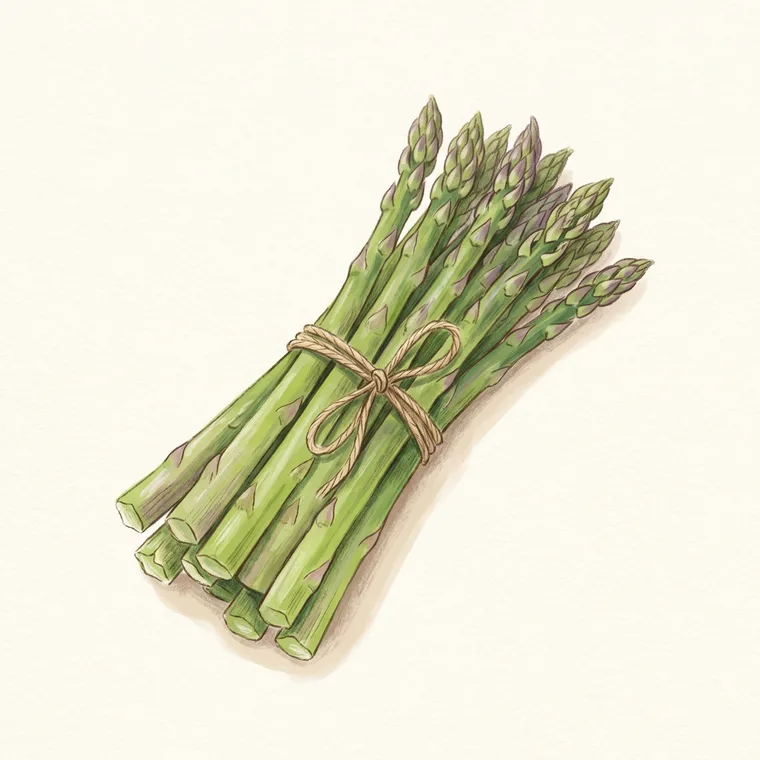
Yes, with one rule: blanch the spears first, timing it to their thickness. Asparagus carries enzymes that quickly turn raw-frozen spears woody and off-tasting, so a short boil — two minutes for thin spears, up to four for fat ones — followed by an ice bath protects the flavour. Blanched and bagged, it keeps eight to twelve months and is best cooked straight from frozen.
Can you freeze asparagus?
Yes — it freezes well- Snap off the woody ends, then sort the spears into thin, medium, and thick piles so each blanches evenly.
- Blanch in boiling water by thickness — 2 minutes for thin, 3 for medium, 4 for thick spears.
- Plunge them into ice water for the same time, then drain and pat the spears dry.
- Freeze them flat on a tray, then pack into bags or rigid containers and label with the date.
More in this group: Freezing vegetables
Frequently asked questions
Why blanch asparagus by spear thickness?
Because a pencil-thin spear and a fat one heat through at very different rates. Under-blanching leaves enzymes active and the spear deteriorates; over-blanching cooks it to mush. Matching the time to the thickness — two to four minutes — neutralises the enzymes without turning the asparagus to paste.
Can you freeze asparagus without blanching?
You can, but it is a short-term fix at best. Unblanched spears keep working enzymes that toughen the stalks and dull the taste within weeks. If you must skip it, use the asparagus within a month and cook it straight from frozen.
How do you stop frozen asparagus going mushy?
Never let it thaw before cooking. Roast or sauté the spears straight from the freezer over decent heat so the surface water flashes off rather than soaking in. Thawing first is what leaves asparagus limp and watery.
Sources
- NCHFP — Freezing Asparagus — University of Georgia / NCHFP, checked 2026-06-15
- University of Illinois Extension — Freezer Storage — University of Illinois Extension, checked 2026-06-15
- USDA FSIS — Freezing and Food Safety — USDA FSIS, checked 2026-06-15