Can You Freeze Eggs?
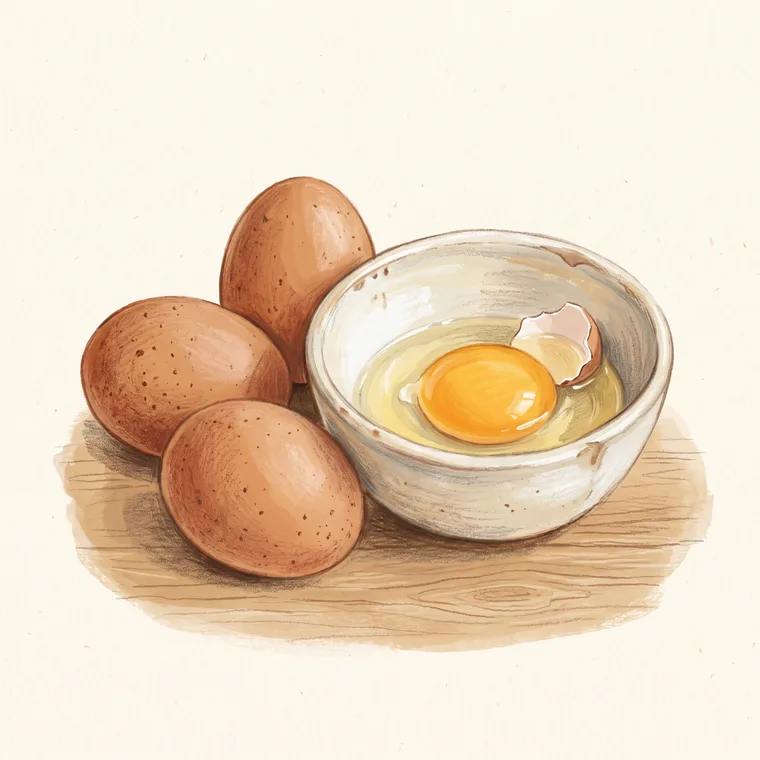
Not in their shells — the liquid inside expands and cracks the shell, which the USDA warns can let in bacteria. Crack them first and you can freeze eggs well: whole beaten eggs, separated whites, or yolks (with a pinch of salt or sugar to stop them gelling). Frozen this way they keep up to about a year and thaw ready for cooking and baking.
Can you freeze eggs?
Yes — with caveats- Never freeze eggs in the shell; crack them first.
- For whole eggs, beat them just until blended and pour into a container or ice-cube tray.
- To freeze yolks, beat in a pinch of salt (for savoury use) or sugar (for sweet) so they do not turn gluey.
- Whites freeze as they are; portion everything, label clearly, and freeze.
More in this group: Freezing dairy & eggs
Frequently asked questions
Why can't you freeze eggs in the shell?
The liquid inside expands as it freezes and can crack the shell. A cracked shell breaks the egg's protective barrier and, the USDA notes, can let bacteria in. Always crack eggs and freeze the contents in a container instead.
How do you freeze egg yolks so they don't go gummy?
Raw yolks gel in the freezer and thaw thick and gluey. Beating in a pinch of salt (for savoury cooking) or sugar (for baking) per few yolks before freezing prevents this and keeps them pourable once thawed.
Can you freeze whole eggs out of the shell?
Yes. Lightly beat the whole eggs just until the yolk and white are blended, then freeze them in a container or ice-cube tray. Avoid whipping in lots of air. Thaw in the fridge and use them in any cooked or baked dish.
Can you freeze cooked eggs?
Scrambled and baked egg dishes freeze reasonably well, but plain boiled eggs do not — the whites turn rubbery and watery. If you want to freeze eggs, raw and beaten is far more reliable than freezing them hard-boiled.
Sources
- USDA FSIS — Freezing and Food Safety — USDA FSIS, checked 2026-06-13
- University of Illinois Extension — Freezer Storage — University of Illinois Extension, checked 2026-06-13