Can You Freeze Casseroles?
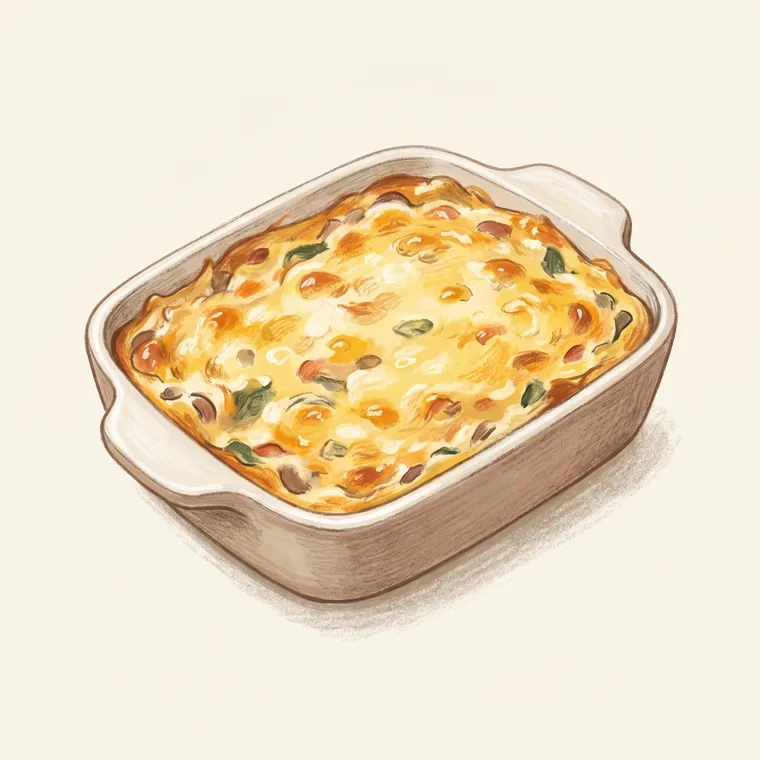
A casserole is about the most freezer-ready meal you can make, which is why batch-cooking a double tray is such a habit. You can freeze it baked or assembled-but-unbaked; unbaked often holds its texture best. Mind the components that suffer — creamy sauces can split, pasta and potato soften, crisp toppings go limp. Held frozen, a casserole keeps its quality for roughly 2 to 3 months.
Can you freeze casseroles?
Yes — with caveats- Assemble in a freezer- and oven-safe dish, or line the dish with foil so you can lift out a frozen slab and reclaim the dish.
- Cool a baked casserole quickly before freezing — a shallow dish in an ice-water bath speeds it through the danger zone.
- Hold back crunchy or cheesy toppings and stir-in cream; add those fresh when you reheat so they do not go soggy or split.
- Cover tightly with a lid or a double layer of foil and cling film, then label with the dish and date.
More in this group: Freezing cooked dishes & leftovers
Frequently asked questions
Should I freeze a casserole baked or unbaked?
Both work. Unbaked tends to hold texture best, since the dish cooks fresh for the first time on the day you eat it. Freezing it baked is more convenient for reheating; either way, leave crisp toppings off until then.
How do I reheat a frozen casserole?
For the most even result, thaw it in the fridge overnight, then bake it covered until it is steaming all through and the centre reaches 165 °F (74 °C). You can also bake from frozen, but allow considerable extra time and keep it covered at first.
Why does the sauce in my casserole split after freezing?
Cream- and milk-based sauces can separate when frozen, because ice crystals force the fat and water apart. Use a flour- or starch-thickened sauce, which holds together better, or stir the dairy in fresh when you reheat rather than before freezing.
Can I freeze a casserole in the dish I baked it in?
If the dish is freezer-safe, yes, but it ties up that dish for weeks. Lining the dish with foil first lets you freeze the casserole, lift out the solid block, and bag it — freeing the dish while keeping its shape for reheating.
Sources
- FoodSafety.gov — Cold Food Storage Chart — USDA FoodSafety.gov, checked 2026-06-13
- USDA FSIS — Freezing and Food Safety — USDA FSIS, checked 2026-06-13