Can You Freeze Cheese?
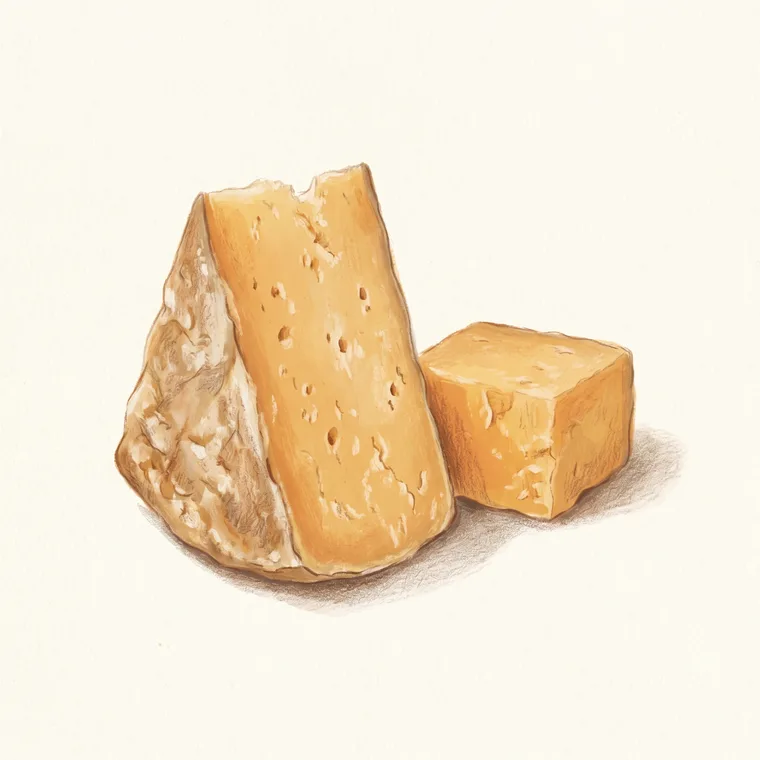
It depends on the cheese. Firm, low-moisture cheeses like cheddar and mozzarella freeze acceptably, especially for cooking, though they turn crumbly and lose their slice-ability. Soft, high-moisture cheeses — cream cheese, ricotta, brie — separate and go grainy and are best avoided. Grate or portion before freezing, and use hard cheese within about 4 to 6 months.
Can you freeze cheese?
Yes — with caveats- Choose firm cheeses; cut them into blocks of about 250 g or less, or grate them.
- Wrap blocks tightly in cling film, then foil or a freezer bag, pressing out the air.
- For grated cheese, bag it and squeeze the air out so it freezes loose and pourable.
- Label with the type and date, and freeze quickly.
More in this group: Freezing dairy & eggs
Frequently asked questions
Which cheeses can you freeze and which can't you?
Firm, low-moisture cheeses — cheddar, mozzarella, Gruyère — freeze acceptably, best for cooking. Soft, high-moisture ones — cream cheese, ricotta, cottage cheese, brie — separate into watery and grainy parts and are not worth freezing except for cooked dishes.
Why does frozen cheese go crumbly?
Ice crystals form between the protein and fat and disrupt the cheese's structure, so it loses cohesion and breaks apart rather than slicing cleanly. That crumbliness is fine for grating and melting, which is where frozen cheese earns its place.
Should you grate cheese before freezing it?
It is often the easiest approach. Grated cheese freezes loose if you press the air out of the bag, so you can scatter a handful straight onto pizza or pasta from frozen, sidestepping the crumbly-slice problem entirely.
Sources
- University of Illinois Extension — Freezer Storage — University of Illinois Extension, checked 2026-06-13
- USDA FSIS — Freezing and Food Safety — USDA FSIS, checked 2026-06-13