Can You Freeze Mashed Potatoes?
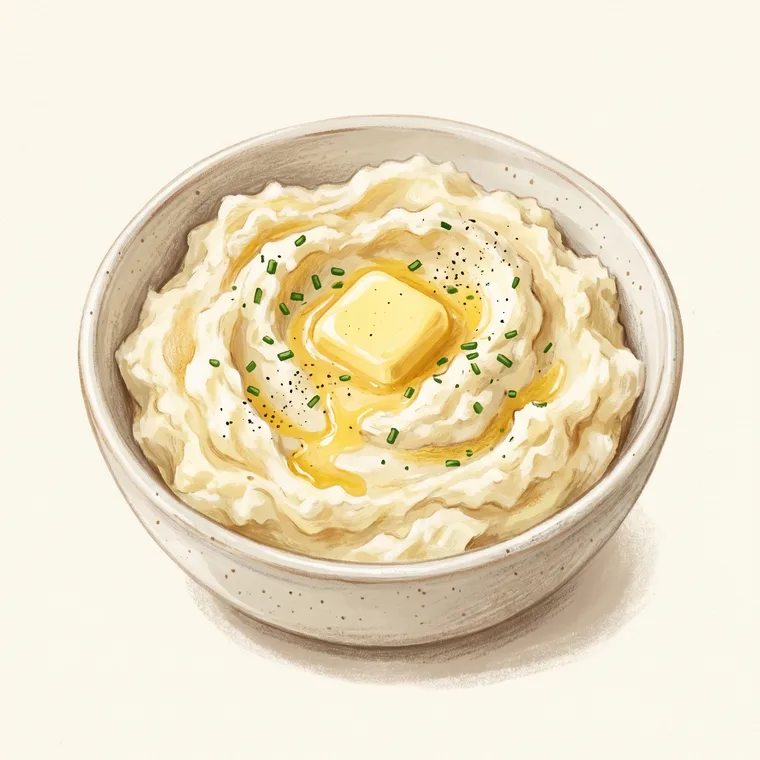
Yes, with one counterintuitive rule: the richer the mash, the better it freezes. Butter and cream coat the starch and stop it turning watery and grainy, so a well-buttered mash thaws creamy where a plain, low-fat one can go gritty. USDA storage guidance puts mashed potato at about two months frozen for best quality. Freeze it in portions and reheat it low and slow with a splash of milk.
Can you freeze mashed potatoes?
Yes — with caveats- Make the mash a little richer than usual — extra butter or cream helps it freeze and reheat smoothly.
- Cool it fully, then scoop meal-sized mounds onto a lined tray, or portion it into tubs.
- Freeze the mounds until firm, about an hour, then bag them so you can take out a portion at a time.
- Seal, label with the date, and return to the freezer.
More in this group: Freezing cooked dishes & leftovers
Frequently asked questions
Why does mash freeze better than boiled potatoes?
Plain cooked potato freezes poorly because ice crystals wreck its cell structure, leaving it grainy and watery. In mash the butter and cream coat those starch granules, cushioning them through the freeze, so well-made mash thaws creamy while plain chunks turn mealy.
Can you freeze leftover mashed potatoes?
Yes. Cool them quickly, portion them into tubs or freeze scoops on a tray, and bag them within a couple of hours of the meal. Reheat gently with a little milk or butter beaten in, and leftovers come back smooth rather than gluey.
How do you reheat frozen mash so it isn't gritty?
Thaw it in the fridge, then warm it slowly — in a pan over low heat or in the oven — beating in warm milk or butter as it loosens. A gentle reheat and a touch of extra fat restore the creamy texture; a fast, hot blast tends to make it grainy.
Sources
- FoodSafety.gov — Cold Food Storage Chart — USDA FoodSafety.gov, checked 2026-06-13
- USDA FSIS — Leftovers and Food Safety — USDA FSIS, checked 2026-06-13